How SCS Machinery Optimized Production with ZW3D Software:
Actionable Insights for Small Engineering Teams

SCS Scales Custom Machine Production with ZW3D’s Standardized Solutions

Why Choosing the Right Engineering Software Matters

As an engineer with years of experience in digitalizing manufacturing processes, I’m often asked, “How can a small team deliver top-tier results and stay competitive with limited resources?” The case of SCS Machinery, an eight-person team from Turkey, is a great example of how selecting the right tools and methodology is critical for success. This blog post offers actionable insights drawn from the implementation of ZW3D software at SCS Machinery—a case that demonstrates how even small teams can leverage digitalization to their advantage.

Challenges SCS Machinery Faced

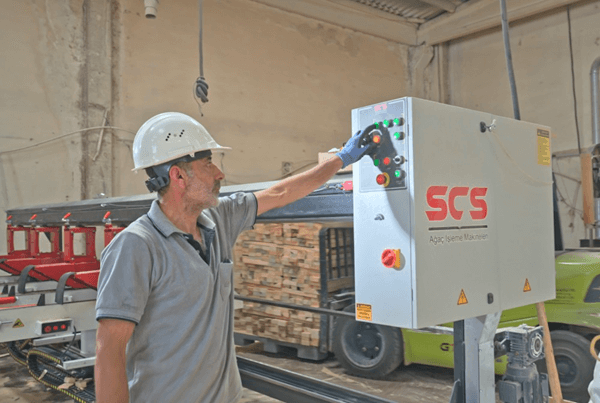
Since its founding, SCS Machinery has focused on highly specialized, boutique production of custom machinery for the wood industry. While this approach earned them a strong reputation, it also brought unique challenges:
  • Each machine is unique—standardized processes are difficult to apply.
  • Limited human and financial resources—there’s no luxury of large teams.
  • High costs of traditional CAD software licenses created barriers to further growth.
  • Manual and repetitive tasks consumed valuable engineering hours.
  • Clients had a hard time understanding static drawings, slowing the approval process and increasing the number of design revisions.

Design Goals and Key Obstacles

The company identified several core objectives:
  • Increase efficiency without compromising quality.
  • Automate routine tasks and minimize errors.
  • Implement a cost-effective yet powerful software solution accessible to every team member.
  • Shorten lead time from design to production while improving collaboration with clients.

The Solution: Implementing ZW3D Software

ZW3D proved to be a strategic choice, enabling the SCS Machinery team to:
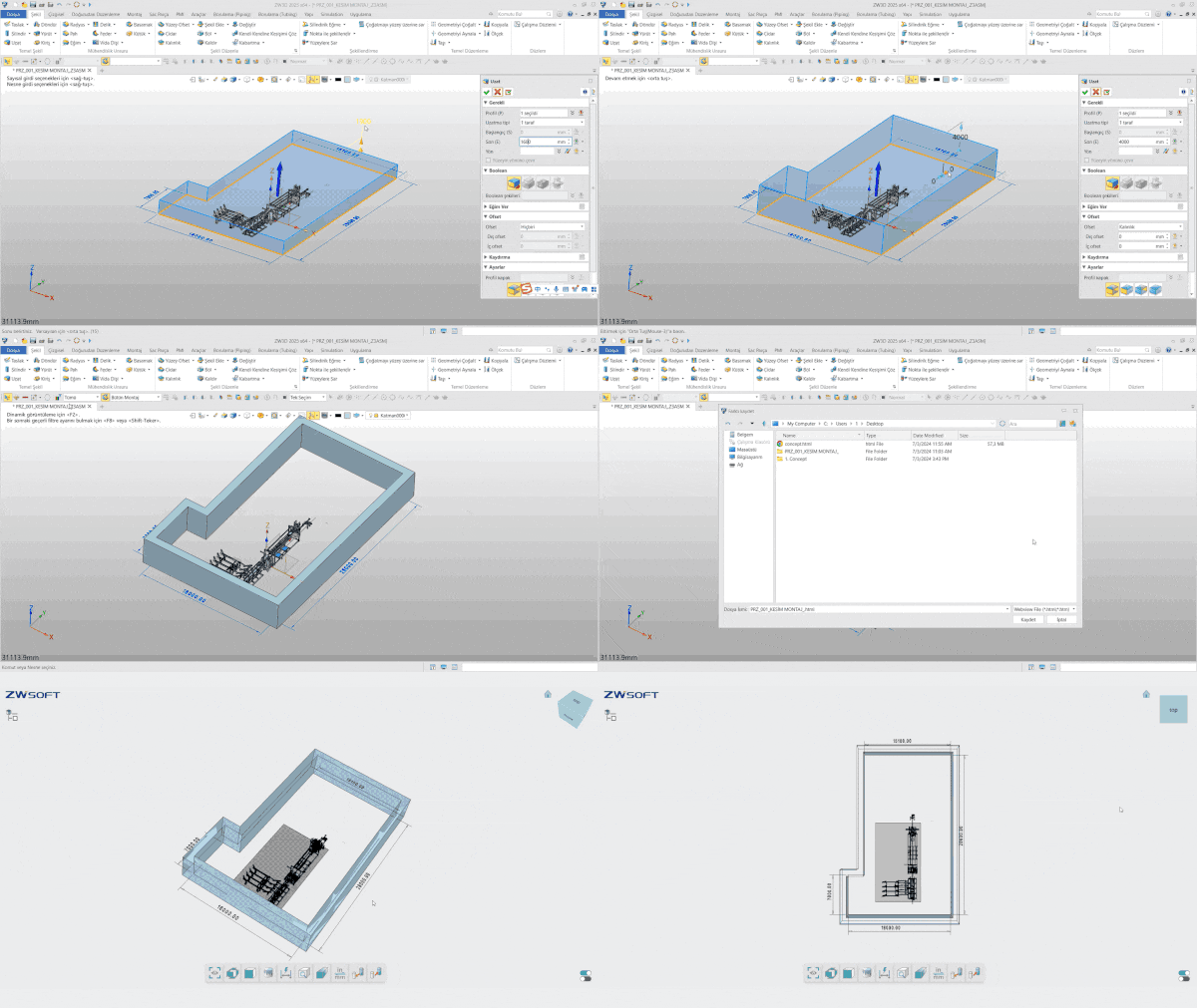
  • Accelerate 3D modeling and easily share models with clients—even those without CAD software.
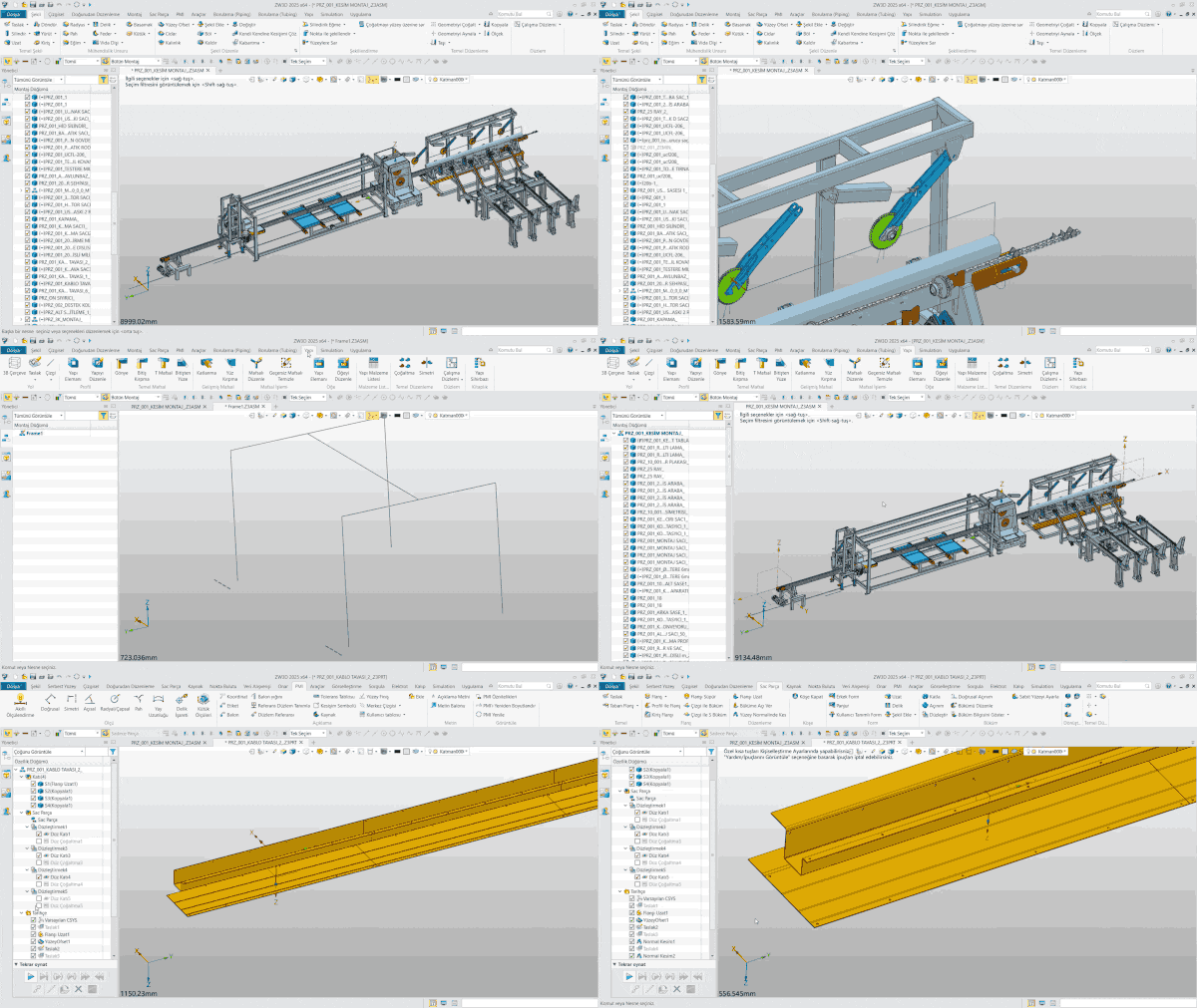
  • Standardize workflows using advanced modules for sheet metal and steel structures.
  • Leverage an extensive library of standard components to speed up the design process.
  • Utilize integrated FEA simulation for quick validation and to prevent costly mistakes.
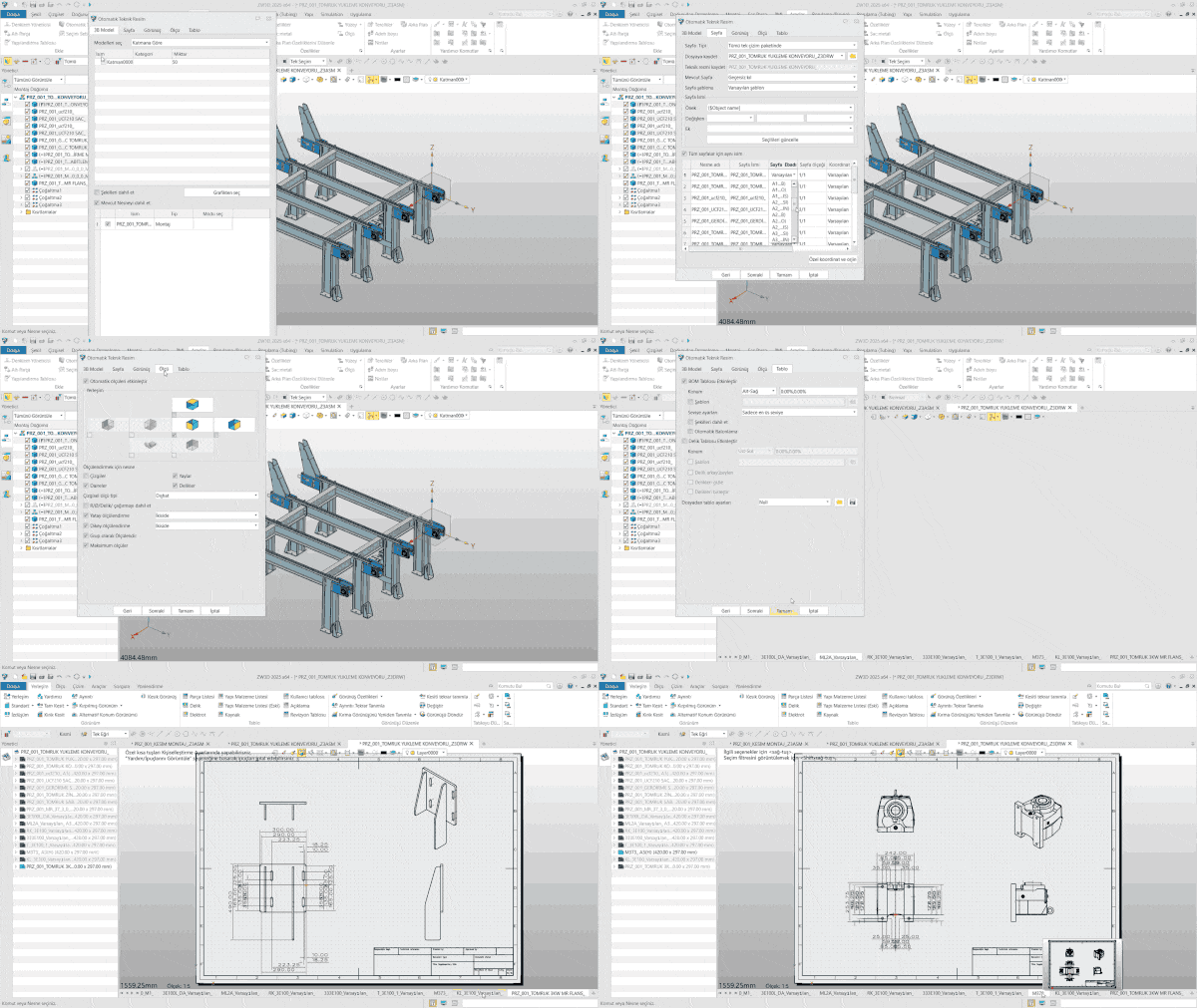
  • Automatically generate technical documentation, saving each engineer significant hours of manual work.

Key Features That Made a Difference

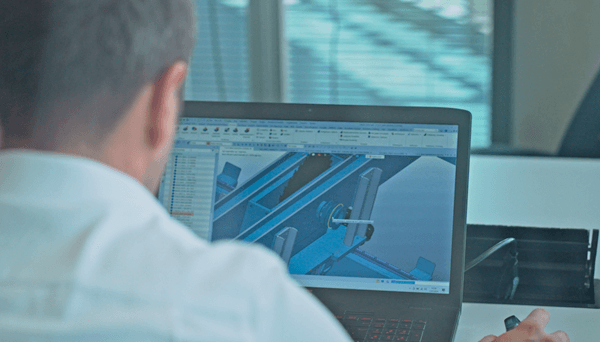
1. Faster 3D Modeling and Client Collaboration ZW3D enabled the rapid creation of detailed 3D models and made it possible to present them interactively to clients through a web browser. This drastically reduced design approval time and minimized the number of communication iterations with customers.

2. Standardization and Automation of Routine Tasks Specialized tools for sheet metal and steel, combined with comprehensive standard part libraries, helped SCS accelerate design work and eliminate errors—ensuring consistent quality across every project.

3. Integrated Simulation and Automated Documentation Built-in FEA simulations allowed the team to verify structural integrity early in the process. The Auto Drafting tool for batch drawing generation removed fluctuations in documentation quality and saved hundreds of engineering hours.

The key takeaway from the SCS Machinery case is: “True design automation frees your team from routine and creates space for innovation.”

Results and Impact on the Production Process

  • Efficiency increased by 50%—the team now completes twice as much work in the same amount of time.
  • Costs reduced by 30%—lower software license fees and fewer hours spent on routine tasks.
  • Improved product quality—integrated simulation and standardization minimized the risk of errors.
  • Faster design approvals—clients easily understand 3D models, resulting in fewer changes and shorter lead times.
  • Higher team motivation and innovation—engineers are now focused on development rather than repetitive tasks.

What Can You Learn from This Case?

  • The right software empowers even small teams to become competitive leaders.
  • Automating routine tasks creates room for innovation and growth.
  • Interactive client communication—using 3D models instead of static drawings—accelerates projects and increases customer satisfaction.
  • Investing in digitalization pays off quickly through cost savings and improved quality.

Contact Us for a Consultation!
Interested in learning how to digitalize your design process and optimize production? Reach out or schedule a free meeting with our PLM Dynamics experts.

Blog Author:

Pavle Savićević, CAD Engineer
Specialized in digitalization and process optimization for small and mid-sized enterprises. Over 10 years of experience in implementing CAD/PLM solutions.

Category: CAD/PLM Implementation

Date: 10/04/2025