ZWSim Structural Simulation Software by Finite Element Method
ZWSim Structural is a powerful simulation software developed by ZWSOFT, leveraging the Finite Element Method (FEM) for structural and thermal analysis. It provides an integrated environment for modeling and simulation, which facilitates seamless data transfer and numerical simulations, making it ideal for complex industrial problems.
Why Choose ZWSim Structural?
Reliable and User-Friendly Software for Structural Engineering
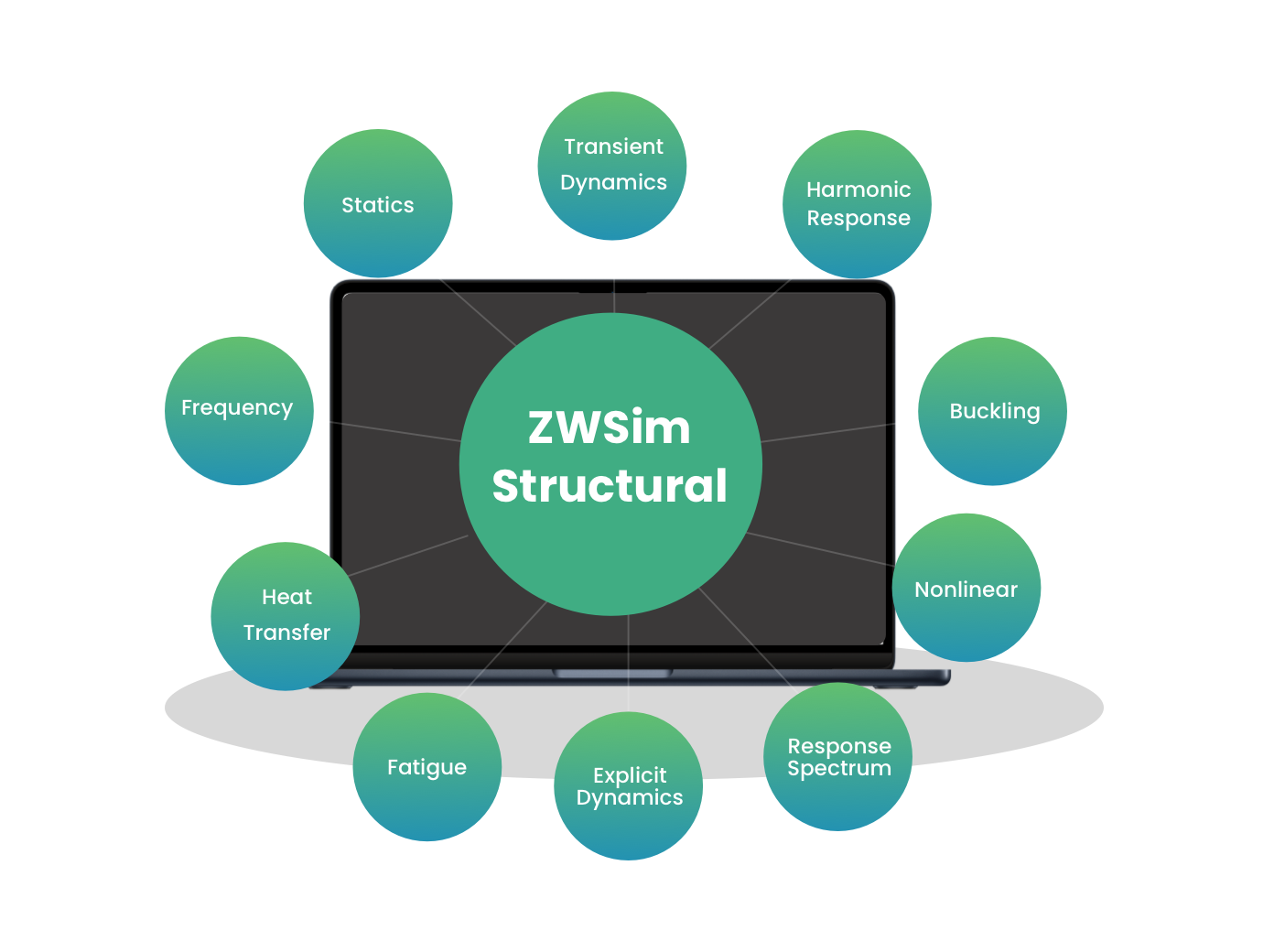
ZWSim Structural delivers a robust set of analysis capabilities, supporting both linear and nonlinear simulations. Engineers can accurately evaluate structural strength, stiffness, stability, modal and frequency response, dynamic and harmonic behavior, transient effects, heat transfer, nonlinear deformation, and fatigue life. This advanced multi-physics environment enables engineers to tackle complex challenges across diverse industries, from construction and machinery to automotive and aerospace.
Each solver and feature in ZWSim Structural is rigorously validated through thousands of industrial and academic benchmark problems. Proven in real-world applications, the platform ensures every simulation result is accurate, trustworthy, and repeatable, supporting compliance with demanding engineering standards and best practices. Consistent updates and quality checks guarantee reliable results, whether for research, certification, or production workflows.
ZWSim enables true integration of parametric modeling and simulation. Users can work with both solid and surface geometry, perform automated geometry clean-up and simplification, and easily generate high-quality 1D/2D/3D finite element meshes—even for extremely large or complex assemblies. This streamlines the entire workflow from design to simulation, reducing manual steps and improving simulation accuracy for more effective engineering decisions.
With broad support for over 20 standard and commercial file formats, including seamless import/export of Nastran® BDF, ZWSim Structural makes data exchange easy and reliable. Engineers can quickly transfer geometry and simulation data across CAD, CAE, and PLM systems, eliminating bottlenecks and preserving fidelity. This interoperability supports complex engineering workflows, supplier collaboration, and multi-platform simulation projects.
ZWSim Structural is designed for productivity, with an intuitive user interface, clear workflows, and helpful onboarding features. Engineers can get started quickly—navigating, modeling, and running simulations with minimal training. Context-sensitive help and logical menus make advanced simulation accessible to both new and experienced users, ensuring teams achieve results faster and with fewer errors.
Key Feature - Comprehensive, User-Friendly Simulation for Modern Structural Engineering
ZWSim Structural supports a comprehensive range of element types, including line, triangular, quadrilateral, tetrahedral, and hexahedral elements. The software also offers full support for beams, rods, cables, shells, solids, mass elements, and a variety of connection elements.
Supported Element Types
ZWSim Structural supports a comprehensive range of element types, including line, triangular, quadrilateral, tetrahedral, and hexahedral elements. The software also offers full support for beams, rods, cables, shells, solids, mass elements, and a variety of connection elements.
Comprehensive Constraints and Loads
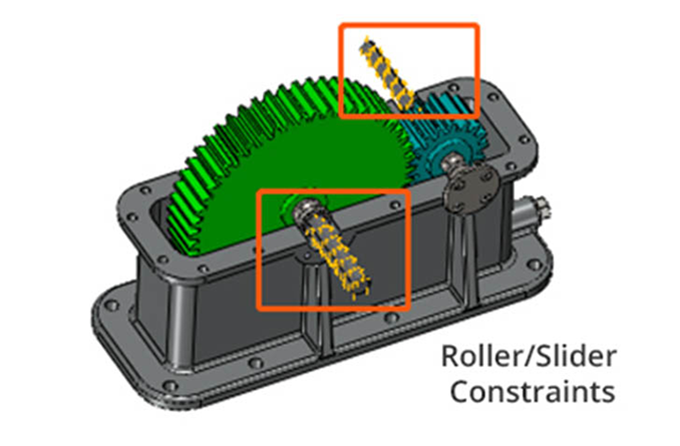
ZWSim Structural offers a wide variety of constraints, including fixed geometry, enforced motion, and fully user-defined boundary conditions. The platform supports numerous structural loads such as force and torque, as well as thermal loads like temperature and heat power—enabling realistic simulation of real-world engineering scenarios.
Geometric Nonlinear Analysis
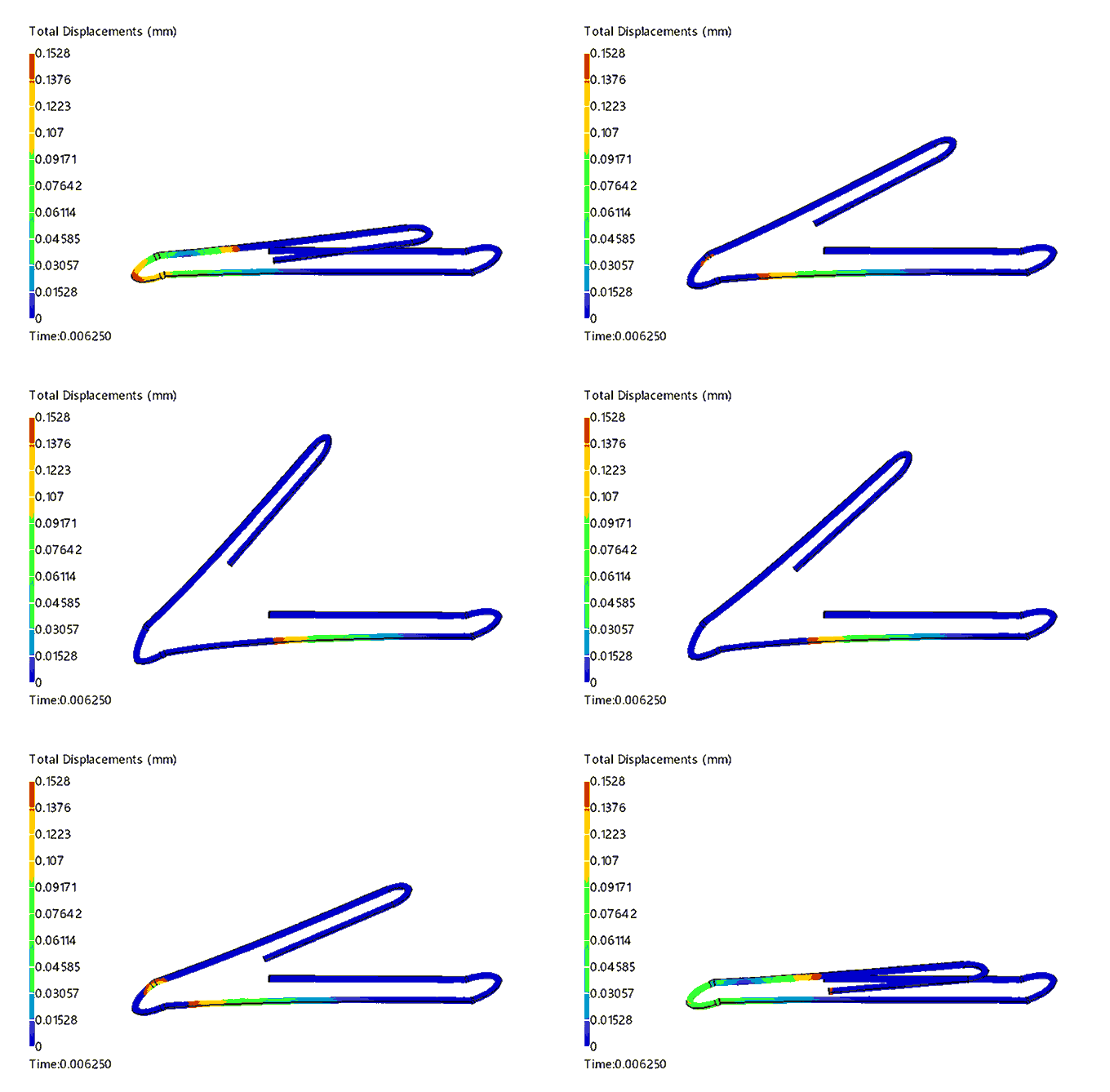
ZWSim Structural enables large displacement and deformation analysis for beams, shells, solids, and connection elements. The software also supports follower loads under conditions of significant deformation.
Supported Contact Types
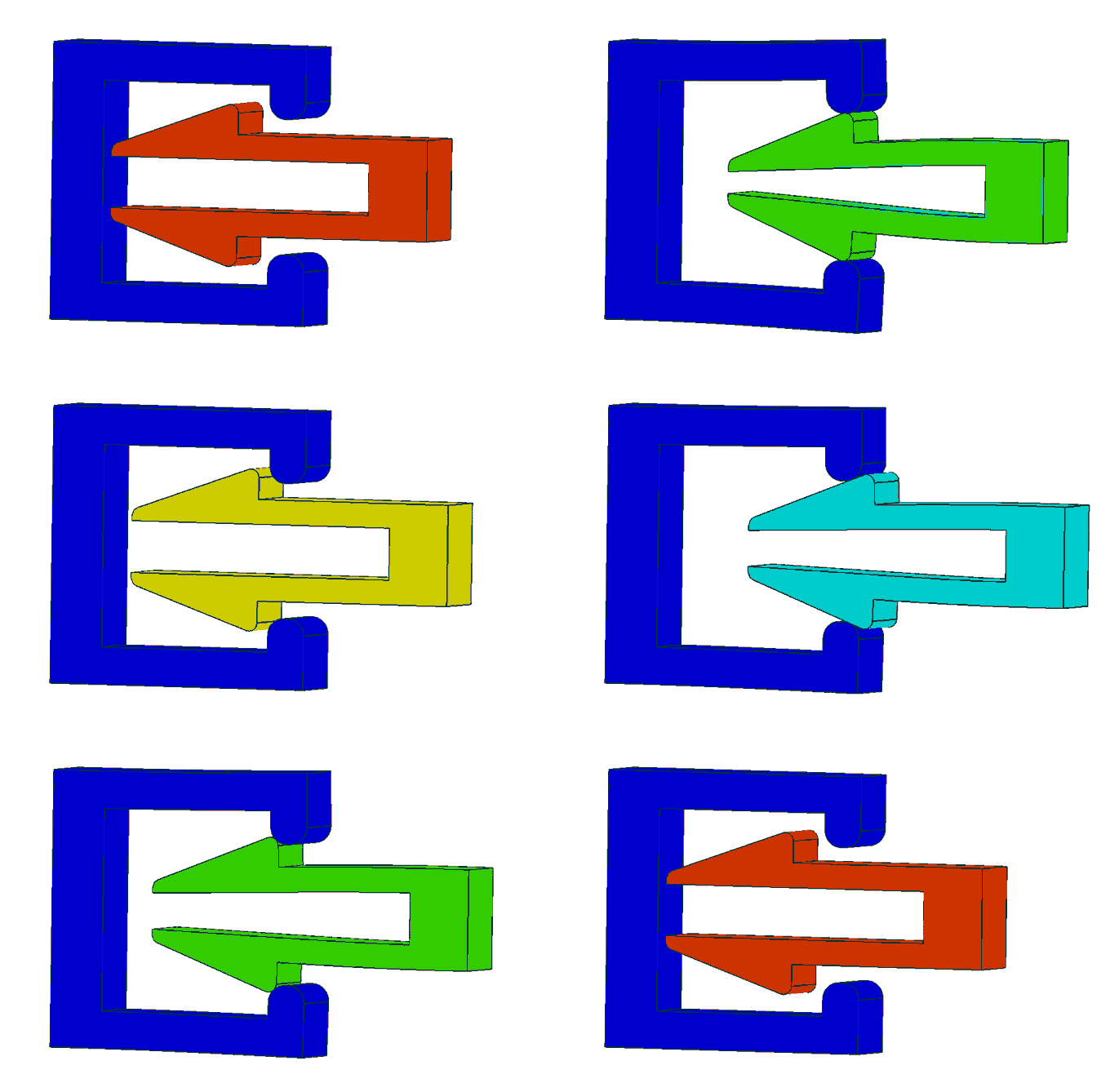
ZWSim Structural supports bonded, frictionless, frictional, rough, and adhesive contact types. Users can specify the friction coefficient for structural analyses and thermal resistance for thermal analyses, enabling precise control over contact interactions.
Composite Laminate Analysis
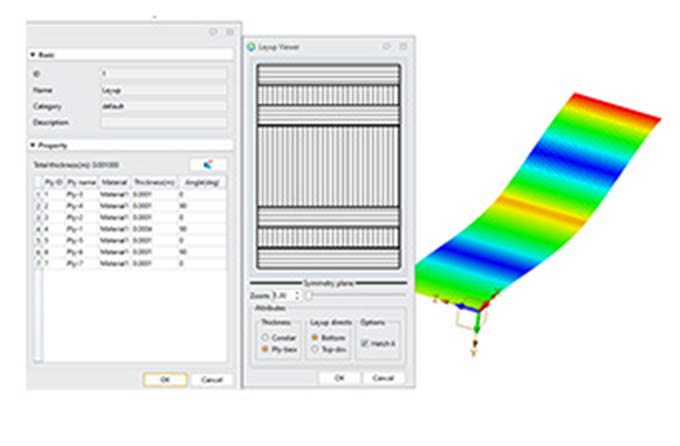
ZWSim Structural supports comprehensive composite laminate analysis, including the assembly of orthotropic material laminates. The software provides five failure criteria to evaluate composite material performance and ensure reliable results.
Customizable Materials Library
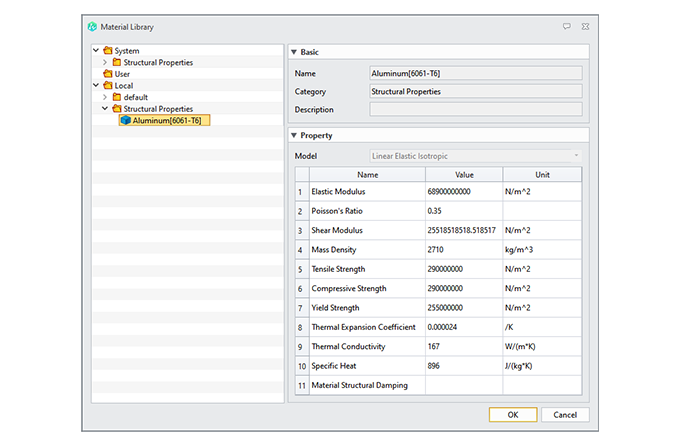
You can define and customize material properties to meet your project requirements, and save them directly to your local materials library.
Powerful Meshing Engine
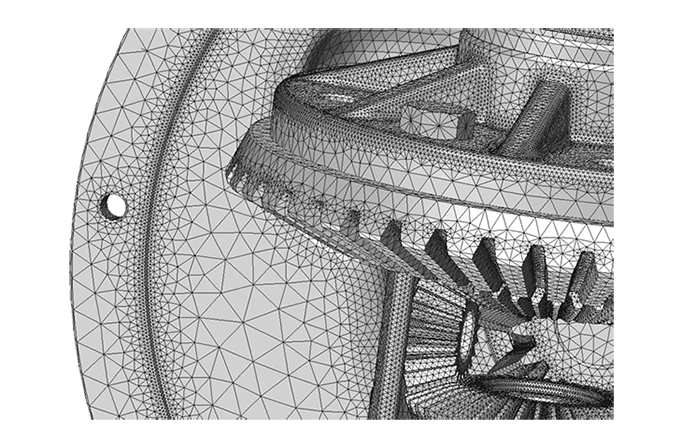
ZWSim Structural supports 1D, 2D, and 3D meshing, including local mesh control, compatible meshing, and local remeshing for enhanced flexibility and accuracy.
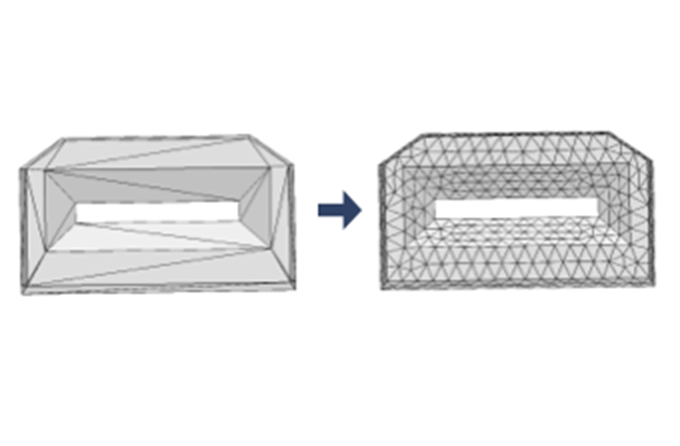
Virtual Topology & Auto Heal
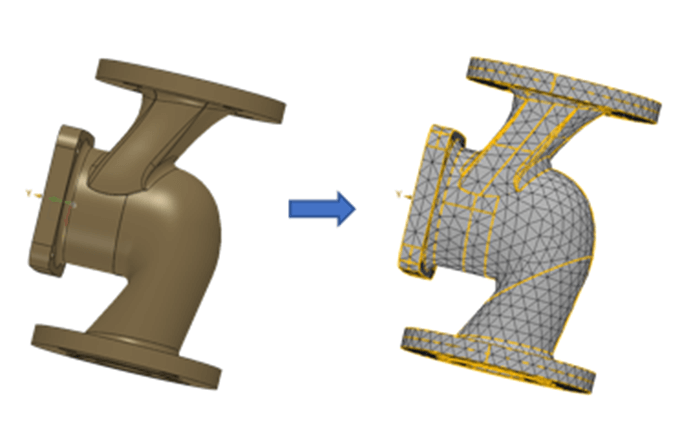
Virtual topology tools simplify meshing by merging short edges, removing small bodies, and repairing surfaces.
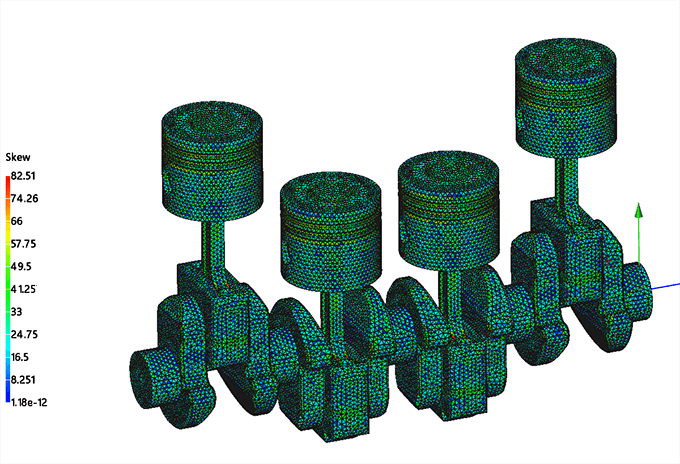
Comprehensive Mesh Quality Check
ZWSim Structural provides virtual topology tools that allow you to merge short edges, remove small bodies, and repair narrow or self-intersecting surfaces, streamlining the meshing process.
Advanced Mesh Editing Features
You can define and modify material properties to suit your specific needs, and save them directly to your local materials library.
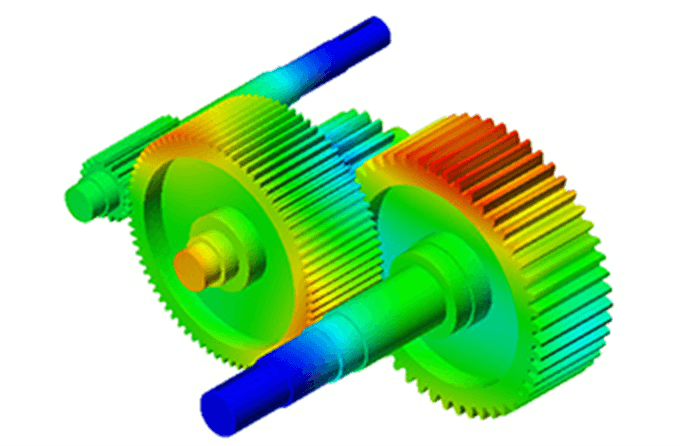
Advanced Result Visualization
Offers contour plots, data lists, animations, x-y plots, and probe tools, with customizable displays and automatic report generation.
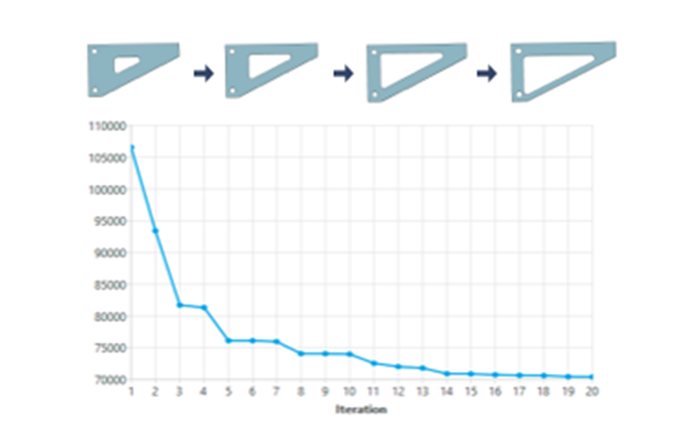
Parameter Optimization
Offers multiple optimization algorithms for achieving the best model parameters according to your design goals.
Reliable and User-Friendly Software for Structural Engineering
Industries We Empower
PLM Dynamics delivers innovative engineering solutions tailored to the unique challenges of every industry. From machinery, electronics, and automotive to civil engineering, energy, and scientific research, our expertise helps organizations accelerate development, enhance quality, and drive progress across the entire value chain.